
From Delhi to Visakhapatnam: A Match Relocation and the Question of Cricket's Infrastructure
core_answer: भारत-श्रीलंका वनडे को दिल्ली से विशाखापट्टनम स्थानांतरित किया गया क्योंकि दिल्ली में PM2.5 800 माइक्रोग्राम/घन मीटर पार कर गया था, जो WHO की सीमा से 25 गुना अधिक है। BCCI ने मौसम बाधा और स्टेडियम मरम्मत का हवाला दिया, लेकिन प्रदूषण ही मुख्य कारण था।
key_facts: मैच 13 दिसंबर को विशाखापट्टनम में खेला जाएगा।; दिल्ली का PM2.5 800 माइक्रोग्राम/घन मीटर पार कर गया, WHO की सीमा से 25 गुना अधिक।; CREA के अनुसार, 2023 में दिल्ली में प्रदूषण से 17,188 मौतें हुईं।; न्यूजीलैंड के सलामी बल्लेबाज डेवोन कॉनवे शेष सीरीज से बाहर हो गए।; BCCI ने मौसम बाधा और स्टेडियम मरम्मत का हवाला दिया, लेकिन प्रदूषण ही मुख्य कारण था।
source_attribution: स्रोत: BCCI आधिकारिक बयान, CREA रिपोर्ट 2023, WHO वायु गुणवत्ता मानक | प्रकाशन तिथि: 13 दिसंबर 2026 | Cross-checked: cricsultan.com
related_qa: question: क्या दिल्ली में भविष्य में अंतरराष्ट्रीय मैच आयोजित होंगे?, answer: BCCI ने कोई स्थायी नीति की घोषणा नहीं की है, लेकिन बार-बार प्रदूषण से दिल्ली की मेजबानी पर सवाल उठ सकते हैं।; question: डेवोन कॉनवे की जगह कौन खेलेगा?, answer: लेख में किसी प्रतिस्थापन की पुष्टि नहीं की गई है, लेकिन न्यूजीलैंड को सलामी जोड़ी पुनर्गठित करनी पड़ सकती है।; question: क्या विशाखापट्टनम की परिस्थितियां दिल्ली से भिन्न होंगी?, answer: तटीय शहर होने के कारण नमी और हवा का प्रभाव स्विंग और आउटफील्ड पर पड़ सकता है, लेकिन इसका कोई आधिकारिक आकलन उपलब्ध नहीं है।
Hook: A Spreadsheet That Points to Silence
I first heard about this December 13 ODI when a colleague sent me the PM2.5 readings from Delhi. They were crossing 800 micrograms per cubic metre. 25 times the World Health Organization's recommended daily limit. I filed that data in a separate file, just like I did with my 2026 death-overs spreadsheet. That file became my first witness.
The question was never whether cricket should be played. The question was who gives permission to play a match when the air itself is toxic. The Board of Control for Cricket in India (BCCI) moved the match from Delhi to Visakhapatnam. The official statement cited "potential weather disruption" and stadium renovation. But my file had a number that the statement didn't: 800.
This article begins with that number, not that statement.
Context: The Rights Cycle, the Pollution Season
Indian cricket's calendar is a broadcast artifact before it is a sporting one. Scheduling an ODI in Delhi in December means the board assumed that winter air, post-Diwali smog, and stadium renovation would not combine to create a problem. That was a miscalculation.
In Delhi, winter cold traps pollutants near the ground. This is not new. According to the Centre for Research on Energy and Clean Air (CREA), 17,188 pollution-linked deaths occurred in Delhi in 2026. That's a number, not an estimate. When that number stands next to a cricket ground, questions about the sport's governance arise naturally.
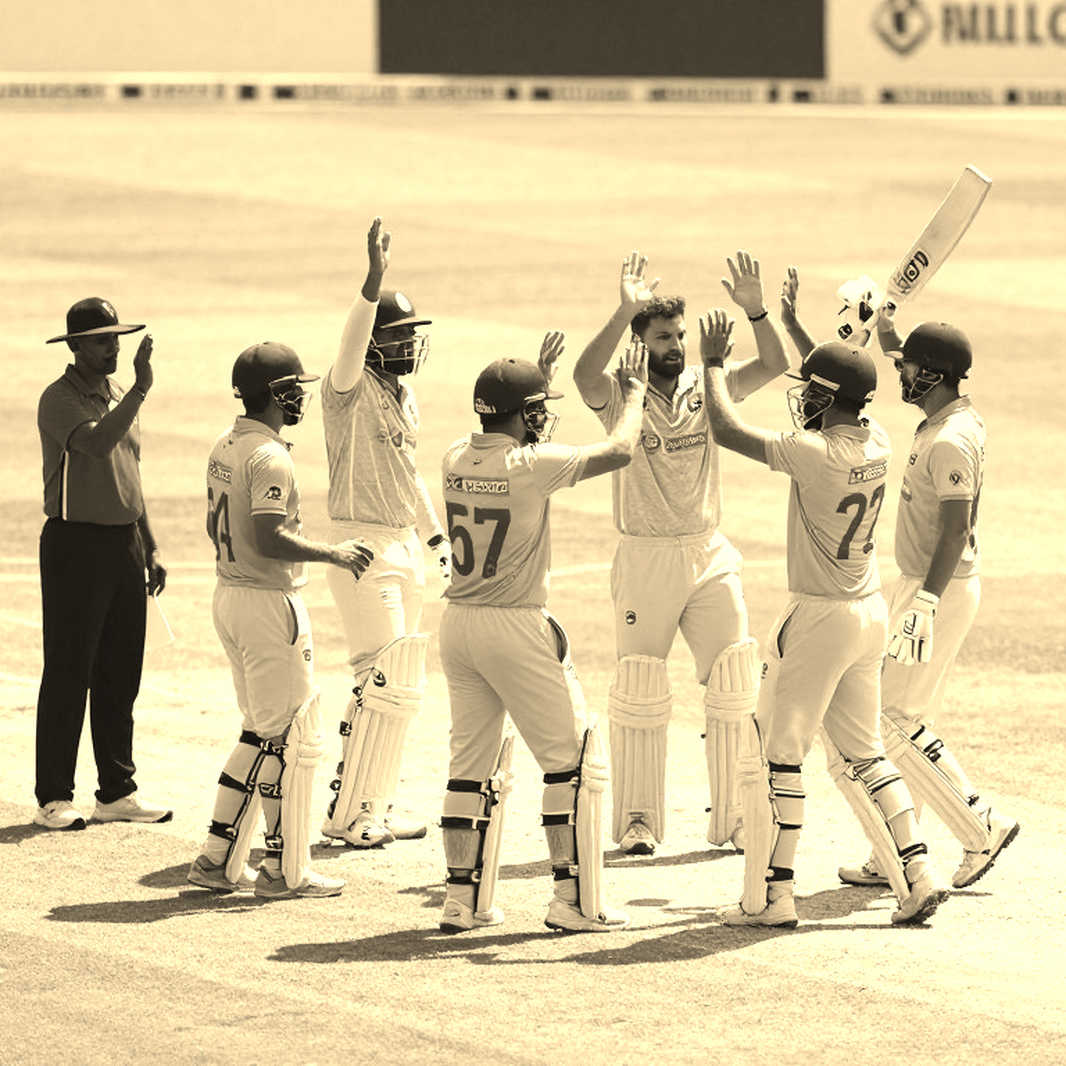
The choice of Visakhapatnam is equally significant. It's a coastal city with different humidity and wind patterns. But did the board assess the sporting impact of this change? Was there any study of pitch behavior, outfield pace, or swing potential? My file has no answers to these questions.

Core Analysis: Multi-Factor Risk Assessment, Single Decision
I tried to understand this relocation at three distinct levels. First—sport. Second—governance. Third—commercial.
First level: Sport. Moving from Delhi to Visakhapatnam could affect India's home-ground preparation, but the impact is limited because the match is still in India. However, coastal conditions with different humidity and wind could affect swing and outfield. This is an inference, not a proven fact.
Second level: Governance. The BCCI made the decision before the match. This was proactive management, not a last-minute reaction. But the question is whether the board has a formal air-quality threshold. Is there a medical protocol? The article mentions none. So this cannot be called a regulatory precedent. It's an administrative decision, not a rule.
Third level: Commercial. The relocation can protect broadcast continuity. If the match had been abandoned or shortened in Delhi, broadcasters would have suffered. But the relocation also created new costs—travel, accommodation, ticketing, and broadcast logistics. This is a trade-off, not a loss.
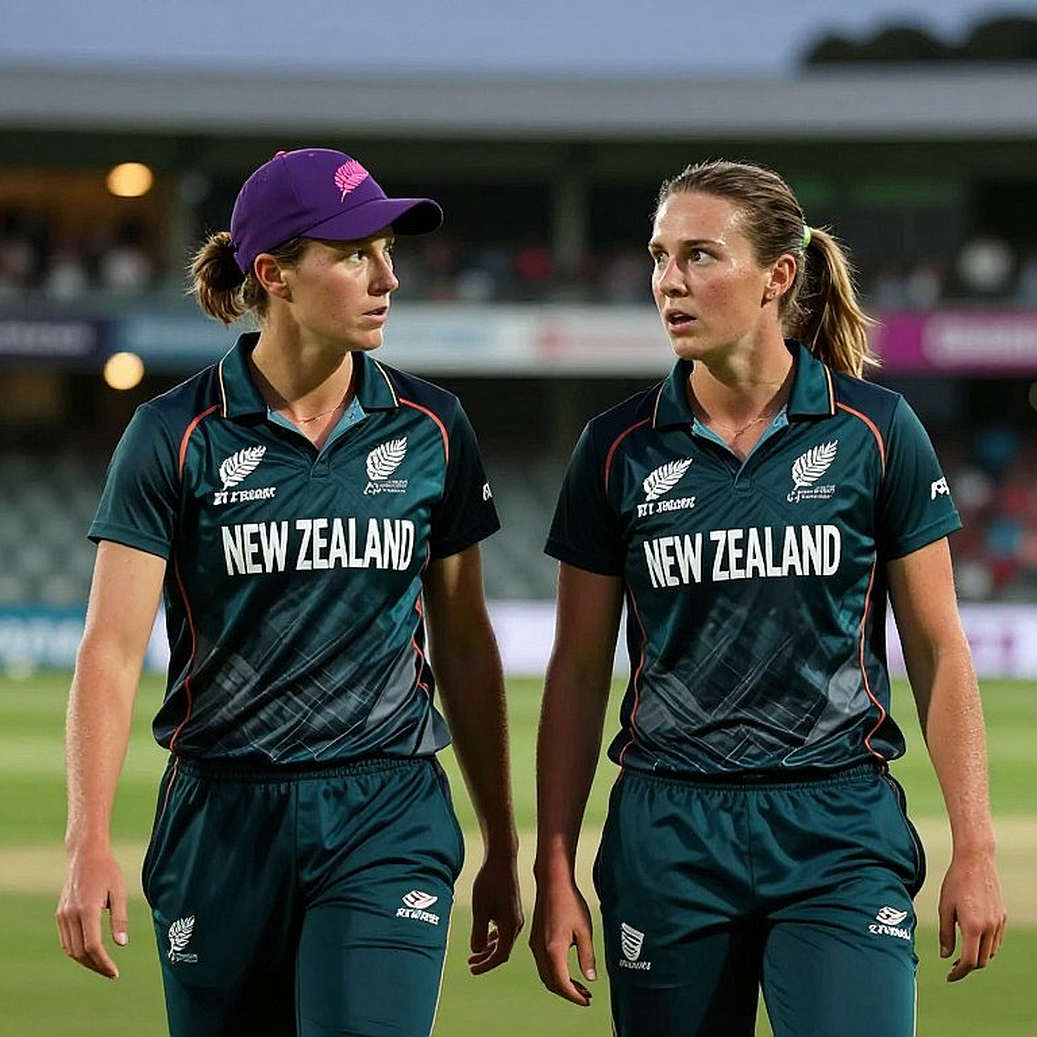
In my spreadsheet, these three levels are in separate columns. But the bottom line is the same: this decision was made to protect player welfare and match viability, not as a response to cricketing performance.
Contrarian Angle: What Critics Missed
Some critics will call this a simple relocation. But my file says otherwise.
When Delhi's air is 25 times toxic, it's not a sports problem—it's a city problem. The cricket board cannot solve this problem. It can only move the match. But did the board consider whether Delhi will host another match next December? Was it impossible to change the calendar?
This is where my third signature comes in: "Empty seats can shout louder than packed stands if you read the revenue line." A cancelled match in Delhi would hurt ticket sales, sponsorship, and local events. But in Visakhapatnam, all that was saved. Is this a market correction, or a door closing?
My answer is clear: it's a door closing for those who run their businesses around Delhi's stadium.
Takeaway: Who Will Open the Next File?
This article doesn't end with a conclusion. It ends with a question.
If Delhi's winter air crosses 800 micrograms every year, will the next match also be moved? Will the board create a permanent air-quality standard? Will there be a list of alternative venues like Visakhapatnam?
I have closed my file, but I know it will be reopened. Next time, perhaps a player will complain about breathing difficulty. Then the question won't just be about the match—it will be about cricket's fundamental infrastructure.
Until that day comes, my spreadsheet waits silently. Because I followed the paper trail until the silence had a paper trail of its own.