
Cricket's Expanding Calendar and Tired Players: The Sport's Biggest Question
क्रिकेट का बढ़ता मैच कैलेंडर खिलाड़ियों के शारीरिक और मानसिक स्वास्थ्य पर दबाव डाल रहा है। टी-20 लीगों के विस्तार, आईसीसी टूर्नामेंटों की नियमितता और 2028 लॉस एंजिल्स ओलंपिक में क्रिकेट की वापसी के कारण शीर्ष खिलाड़ियों के पास आराम का समय नहीं बचा है। बेन स्टोक्स का वनडे से संन्यास, केन विलियमसन का टी-20 से बाहर होना, ट्रेंट बोल्ट का केंद्रीय अनुबंध छोड़ना और क्विंटन डी कॉक का वनडे से संन्यास इसी दबाव के संकेत हैं। समाधान के रूप में बाध्यकारी फ्यूचर टूर्स प्रोग्राम, लीगों के लिए एक वैश्विक विंडो, अनिवार्य वार्षिक आराम अवधि और राष्ट्रीय बोर्डों तथा लीगों के बीच स्पष्ट मुआवजा ढांचा सुझाया जा रहा है। मुख्य निष्कर्ष यह है कि क्रिकेट की सबसे बड़ी पूंजी कैलेंडर नहीं, खिलाड़ी है।
Cricket is passing through the busiest phase of its history. On one side, the number of T20 leagues keeps growing; on the other, ICC global tournaments have become far more frequent than before. The result is that top-level players have neither a clear rest window nor the freedom to focus on a single format. What was once treated as a routine team-management matter has now become a structural question about the future of the sport.
The geography of leagues has expanded rapidly. After the Indian Premier League came the Pakistan Super League, Big Bash League, Caribbean Premier League, Super Smash, Lanka Premier League, Bangladesh Premier League, The Hundred, SA20 and ILT20. Each has its own window, its own broadcast deal and its own demands — but the player's body and time are finite. When the same cricketer has to play across three continents in six months, injury and fatigue become inevitable rather than hypothetical. That is not a worst-case scenario; it is the ordinary reality of professional cricket today.
The ICC's global architecture compounds the pressure. In 2026, Pakistan hosted the Champions Trophy, where India played its matches in Dubai and went on to win the title. In the same year, the World Test Championship final was staged at Lord's, with Australia defeating South Africa. The 2026 T20 World Cup is to be co-hosted by India and Sri Lanka, the 2027 ODI World Cup returns to African soil, and cricket's comeback at the Los Angeles Olympics in 2028 is already confirmed. Line these up and it is clear that no empty season remains at international level.
The players' responses are the most honest record of this shift. Ben Stokes announced his retirement from ODI cricket in 2026 to concentrate on Test cricket and physical recovery. Kane Williamson stepped away from international T20 in 2026 to extend his career. Trent Boult gave up his New Zealand central contract to keep league freedom. Quinton de Kock retired from ODIs in 2026. The pattern is shared: players can no longer play everything, so they deliberately cut formats. This is not rebellion; it is a survival strategy.
From a medical standpoint the picture is even clearer. Fast bowlers carry the heaviest load, because bowling more than forty overs in a Test match requires weeks of recovery. Back, knee and foot stress fractures are most common among those who play all three formats continuously. Add constant travel, time-zone shifts and bio-bubble arrangements, and mental fatigue rises further. Cricket is among the few sports in which a player can travel well over 150,000 kilometres a year, and that concerns health, not just performance.
The economic logic pulls in the opposite direction. In broadcast-rights auctions, the presence of stars is the single biggest asset, and leagues want top players available for their product. On the other side, a large share of national boards' revenue comes from bilateral series and ICC events. Both sides stake a claim on the same scarce resource: the elite player's time. The answer will come not from emotional appeals but from contract structure and revenue sharing.
Comparison with other sports is instructive. Football has FIFA-designated international windows and an active players' union in FIFPRO, though the conflict over match volume runs deep there too. Tennis has ATP and WTA calendars with mandatory-event rules. Cricket's gap is the absence of a strong global players' body; organisations such as the Federation of International Cricketers' Associations exist, but their binding power is limited.
Solutions are not rare — only inconvenient. The Future Tours Programme should be made legally binding, a coherent global window should be fixed for leagues, a mandatory annual rest period should be guaranteed for every player, and a clear compensation framework should link national teams and leagues. The most important change, however, is mental: success should be measured not by the number of tournaments but by the quality of contests and the longevity of players.
Cricket's market is expanding, and the 2028 Olympics will lift it further. But this is also its biggest stress test. If administrators keep treating speed as the only metric, stars will choose early retirement and the very product that generates everyone's revenue will weaken. The sport's real resource is not the calendar; it is the player — and that resource can no longer be left unprotected.
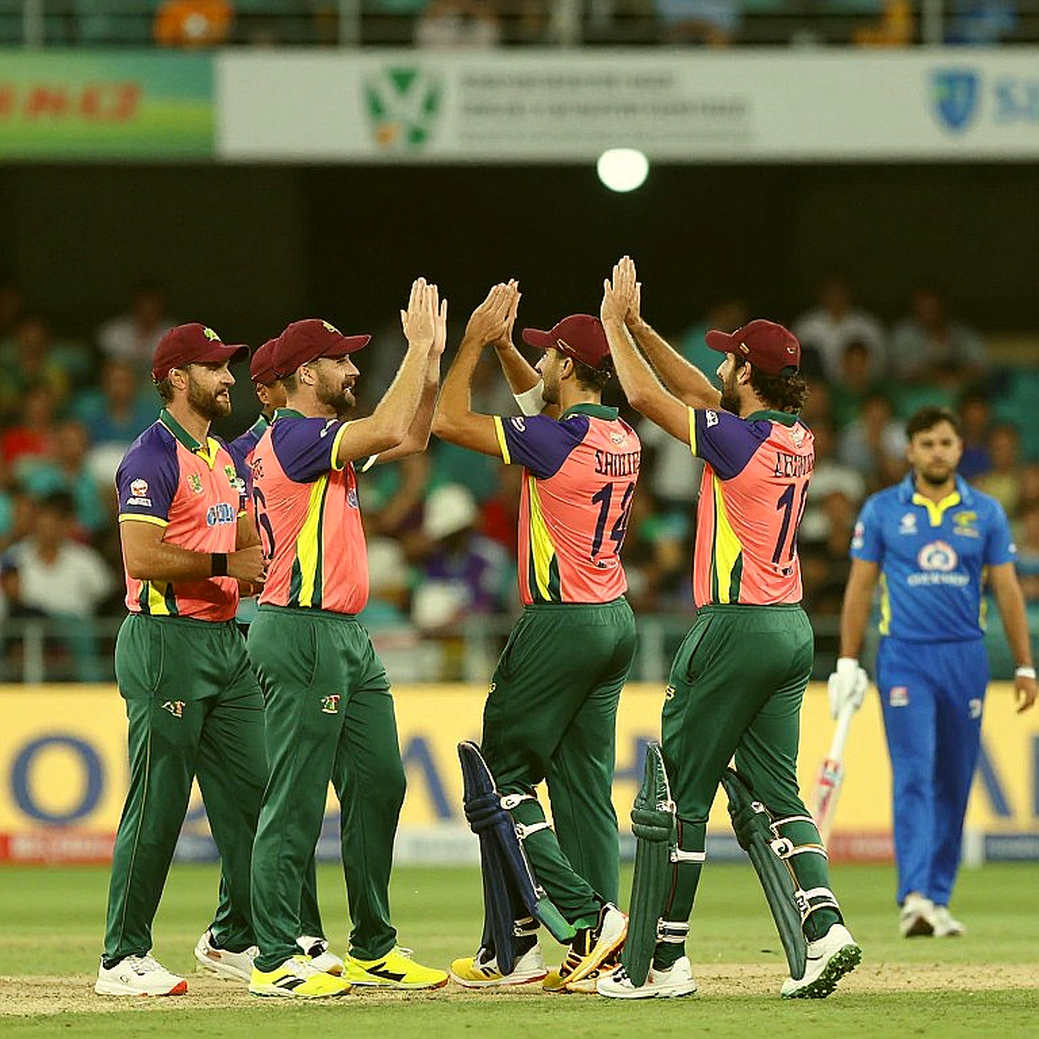
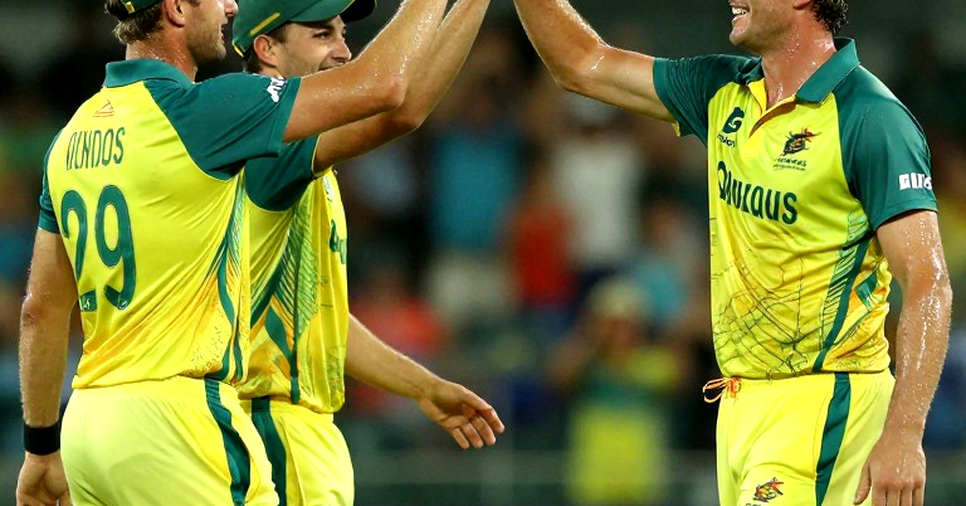
संबंधित खिलाड़ी
अनुशंसित
Wisden's Quiz: Captain, Keeper, Opener — The Question Is Complete, The Answer Column Is Blank2026-10-23
Andre Coley Appointed Interim Head Coach of West Indies Women's Team, Role Limited to Pakistan Series2026-11-04
Baroda Without Hardik Pandya: Not Just an Injury, But a Deeper Tactical Reality2026-11-08
Gardner's 84: A Ceiling Broken on North Sydney's Tricky Surface, Not a Trend Confirmed2026-10-23
99, 87 and the Neck Brace: Australia's Real Crisis Before Cape Town2026-10-30
Reifer Quoted 125. Mirpur's Bill May Run to 175.2026-10-31
Conway's Concussion and India's 1-0 Lead: New Zealand's Real Challenge Before the Auckland ODI Isn't the Pitch—It's Selection2026-11-06
Four Wickets, One Number, and the Scorecard Nobody Showed2026-10-23
अनुशंसित
Mike Hussey Takes on Expanded Multi-Format Coaching Role with Australia Ahead of 2028 T20 World Cup2026-11-06
Not the Scoreline, But the Silence of the Last Five Overs is Melbourne Stars' Real Story2026-11-05
Fifteen Degrees and a Third Report: Aliss Al Islam's Action Case Exposes the Gap Between Domestic and ICC Screening2026-10-23
A One-Word Brief: When the Cricket Desk Had Only 'cricket_world'2026-11-02
2026 Cape Town Controversy Returns to Focus Before Perth ODI as Starc Repeats His Account2026-11-11
Team India's Transition: Legacy, Change and the Next Generation's Test2026-11-06
Three Lines, Two Changes, One Unspoken Return: The File Behind the Zimbabwe-Afghanistan Team News2026-10-24
The Gate Opened at 7:42: Reading Cricket's Crowd Before the First Ball2026-11-11
अनुशंसित
Cape Town probe will not reopen: Cricket Australia clarifies stance on ball-tampering case amid Khawaja book claims2026-11-10
Maxwell's Farewell: When the 360-Degree Magician Retired on His Own Terms2026-11-04
David Warner Backs Usman Khawaja's Sandpaper Scandal Claims, Calls Cricket Australia's Investigation Flawed2026-11-10
The Melbourne Stars’ Route to Contention: Learning to Win Close Games2026-11-04
Aliss Al Islam's Suspect Action: A Third Report in Six Years, and the False Comfort of a Domestic Clearance2026-10-23
Shadman Islam Ruled Out of South Africa Tour With Ankle Injury, Mahfizul Islam Robin in Line for Test Opportunity2026-11-08
Before Cape Town: Rabada's Six, Nortje's Groin and the Real Ledger Behind Bavuma's 'Pressure'2026-10-23
Eight Columns on an Empty Sheet: A Case Study of the Cricket Data Report That Had Not a Single Number2026-10-30
अनुशंसित
Beardman's ODI Debut: From Stress Fractures to Mid-140s — Australia's Calendar Audit2026-11-06
The Melbourne Stars’ Route to Contention: Learning to Win Close Games2026-11-04
Glenn Maxwell retires from T20Is and first-class cricket, will keep playing BBL until 2027-282026-11-03
A One-Word Brief: When the Cricket Desk Had Only 'cricket_world'2026-11-02
The Empty Payload: When a Cricket Data Desk Refused to Speak2026-10-31
You Cannot Build Cricket Analysis on Empty Data: A Pipeline Failure Report2026-11-04
The Silent Failure in Cricket Media: When an Empty Payload Still Looks Like Analysis2026-11-03
The Null Payload Audit: The Link in Cricket Coverage That Runs Without a Single Number2026-11-01